



Is Your Dog or Cat Acting Differently? When Behaviour Changes Are a Health Issue


Your pet cannot tell you when something feels wrong. Often, the first clue is a change in behaviour. A dog who was always calm starts snapping when touched. A cat who loved company starts hiding. A pet who used to be full of energy slows down.
Your pet's behaviour can be a significant indicator of their overall health and well-being. Here is how we look into behaviour changes at Vetcetera Animal Hospital in Bedford, and how we can help.
Behaviour changes worth mentioning to your vet
Let us know if you notice any of these:
- New anxiety or nervousness
- Aggression, irritability or snapping
- Compulsive behaviours
- A change in activity level
- Roaming or marking territory
- Any other change that feels out of character for your pet
Pain can look like a behaviour problem
Sometimes what looks like a behaviour problem is really a pain problem. Dental disease is a good example. If you have ever had a toothache, you know how it can affect your mood and your day. Pets can silently endure similar pain.
Unhealthy teeth, inflamed gums and tartar build-up can lead to pain and behavioural changes. Many dental problems happen below the gum line, where they are hard to see but highly painful. That is why every dental procedure at Vetcetera begins with a complete set of dental x-rays. Learn more in our guide to pet dental care.
Ruling out a medical cause
When you tell us about a behaviour change, we start by looking at your pet's overall health. During a wellness exam, our veterinarians do a full physical evaluation, including your pet's weight, heart rate and respiratory rate. We also talk about lifestyle, diet, exercise and any changes in behaviour or activity.
If we need more information, we may recommend tests such as bloodwork, urine analysis, fecal exams or imaging like x-rays or ultrasound. Our in-house laboratory gives us timely results. Read more about our diagnostic services.
Behaviour counselling and training suggestions
Our veterinarians are equipped to identify and address behavioural issues such as anxiety, aggression and compulsive behaviours. We provide behaviour counselling and training suggestions to help you manage and improve your pet's behaviour.
Every pet is different. We also offer personalized lifestyle recommendations based on your pet's age, breed, activity level and medical history. That can include exercise routines, environmental enrichment and socialization opportunities.
Can spaying or neutering help?
For male pets, neutering can minimize undesirable behaviours such as roaming, aggression and marking territory. It will not change your pet's personality. For female pets, spaying means you will not need to worry about her going into heat, and it does not alter her personality either. Here is what to expect on spay and neuter surgery day.
How to prepare for the visit
- Write down what you have noticed and when it started.
- Write down all of your questions and concerns. We love questions.
- Bring any medications your pet is taking, including supplements.
We schedule generous half-hour appointments, so there is time to talk through everything.
Frequently asked questions
Why is my dog or cat suddenly acting differently?
There can be many reasons, and some are medical. Pain, including dental pain, can lead to behavioural changes. An exam is the best place to start.
Can dental problems cause behaviour changes in pets?
Yes. Unhealthy teeth, inflamed gums and gum disease can cause pain and behavioural changes. Many of these problems are below the gum line and are hard to see without dental x-rays.
Do you offer help with pet anxiety and aggression?
Yes. Our veterinarians can identify and address anxiety, aggression and compulsive behaviours, and we provide behaviour counselling and training suggestions.
Will neutering calm my dog down?
Neutering can minimize roaming, aggression and marking territory. It will not change your dog's personality.
Book a visit in Bedford
If your dog or cat has not been acting like themselves, call Vetcetera Animal Hospital at (902) 832-4818, email info@vetcetera.ca or request an appointment online. We are located at 1144 Bedford Highway, Bedford, Nova Scotia.


The Latest
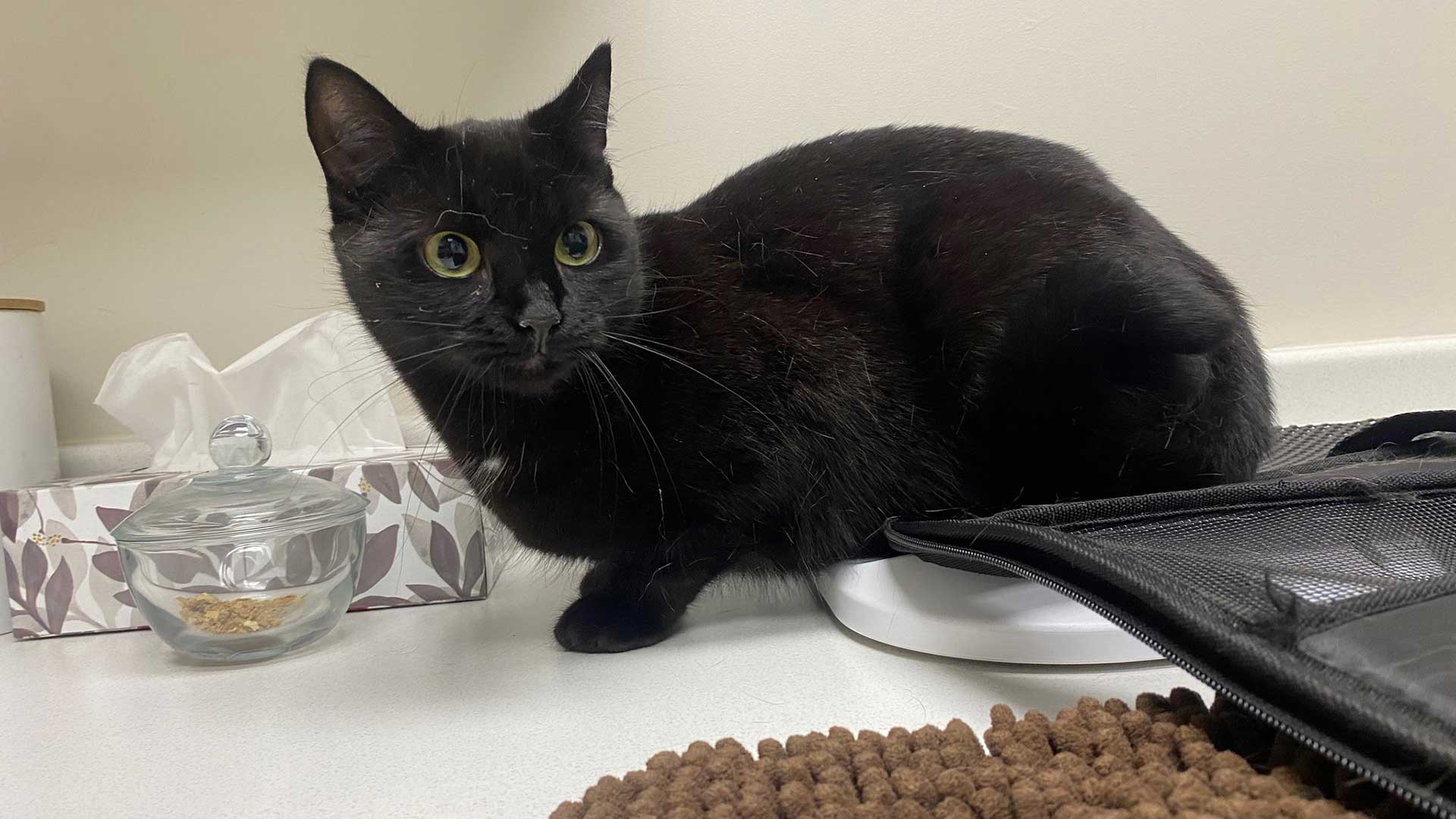
We are thrilled to announce that the sweet kitty found wandering in the Larry Utek area has been reunited with her family!
Vetcetera Animal Hospital will be closed on Monday, October 14th to celebrate Thanksgiving with family and friends. Happy Thanksgiving Holiday!
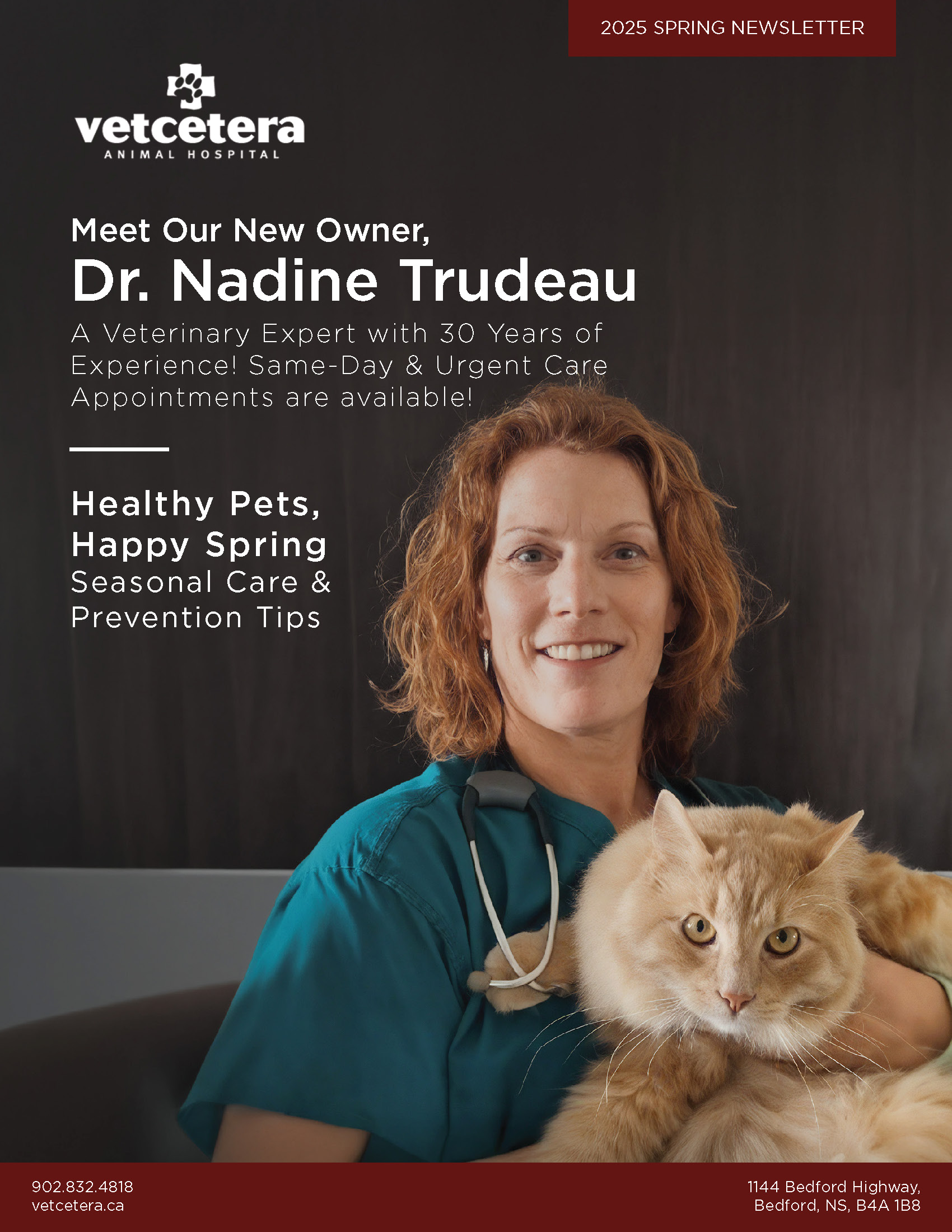
Healthy Pets, Happy Spring: Seasonal Care & Prevention Tips