



Pet Dental Care in Bedford, NS: Why We Start With Dental X-Rays


Most pets with a sore tooth keep eating. They chew on the other side, slow down a little at the food bowl, or get grumpy when you touch their face. Because they hide it so well, dental disease is one of the most common problems we find during exams here at Vetcetera Animal Hospital in Bedford, and it is often further along than the owner expected.
This guide to pet dental care in Bedford explains what dental disease does to a pet's health, the signs worth watching for at home, and why every dental procedure at our hospital begins with a complete set of dental x-rays.
Why your pet's teeth matter more than you might think
A pet's mouth is connected to the rest of the body. When tartar builds up and the gums become inflamed, bacteria from the mouth can enter the bloodstream and travel to vital organs. Over time that can contribute to health problems well beyond the mouth.
Pain is the other big issue. Unhealthy teeth and inflamed gums hurt, and a pet living with ongoing mouth pain may show behaviour changes before anything looks wrong with their teeth. A dog who suddenly stops playing with chew toys, or a cat who becomes irritable when picked up, may have more going on than a bad mood.
Signs of dental problems to watch for at home
You know your pet better than anyone, so small changes are worth mentioning at your next visit. Things to look for include:
- Bad breath that does not go away
- Red, swollen or bleeding gums
- Yellow or brown buildup on the teeth
- Chewing on one side of the mouth or dropping food
- Pawing at the face or rubbing the mouth on the floor
- Eating less, or avoiding hard food and treats
- Changes in mood, such as hiding, irritability or less interest in play
Some pets show none of these signs at all. That is one reason a regular wellness exam, where we look in your pet's mouth, is so useful.
The problem you cannot see: below the gum line
A large share of dental problems happen below the gum line. A tooth can look clean and white on the surface while the root underneath is infected or damaged. These hidden issues can be very painful and can slowly lead to tooth loss and wider health concerns.
Looking at the visible part of the tooth only tells part of the story. That is why we do not rely on a visual check alone.
Why every dental procedure at Vetcetera starts with x-rays
At Vetcetera Animal Hospital, every dental procedure begins with a complete set of dental x-rays. The images let our veterinarians find lesions and problems under the gums that would otherwise be missed. With the full picture in front of us, we can treat everything that needs attention during the same procedure, rather than leaving a painful tooth behind because it looked fine from the outside.
Our dental services include thorough oral examinations and detailed x-rays, so we can plan treatment that addresses the real cause of discomfort and helps prevent pain going forward. You can read more about the service on our pet dentistry page.
How dental care fits into your pet's overall health plan
Dental health is part of wellness care, not something separate from it. During a wellness exam, our veterinarians do a full physical evaluation, including weight, heart rate and breathing, and we talk with you about diet and daily habits. If we see signs of gum disease or tartar, we will explain what we found and what we recommend.
We book generous half hour appointments, which gives us time to show you what we are seeing and answer questions without rushing. If a dental procedure is recommended, you will receive a detailed estimate and we will go over your options together before anything begins.
If cost is a concern, we offer payment plans through Humm, including 6 and 12 month zero interest options on eligible purchases. Details are on our financing page.
Common questions about pet dental care
How do I know if my pet needs a dental procedure?
The best way is an exam. Bad breath, red gums and visible tartar are common signs, but many problems are below the gum line and can only be found with dental x-rays.
Why are dental x-rays necessary if the teeth look fine?
Many dental problems in pets start below the gum line where they cannot be seen. X-rays let us find hidden lesions so we can treat them and prevent pain.
Can dental disease affect the rest of my pet's body?
Yes. Bacteria from infected teeth and gums can enter the bloodstream and affect major organs, which is why dental care is a regular part of keeping pets healthy.
Do you see both dogs and cats for dental care?
Yes. We primarily treat dogs and cats. If you have a small mammal or another type of pet, please contact us to ask about the services we can offer.
More from our team
You may also want to read about how we build a vaccine schedule for dogs and cats and what to expect on spay or neuter day.
Book a dental exam in Bedford
If your dog or cat is due for a checkup, or you have noticed any of the signs above, we would be happy to take a look. Vetcetera Animal Hospital is located at 1144 Bedford Highway in Bedford, Nova Scotia. You can request an appointment online or call us at (902) 450-4973.


The Latest
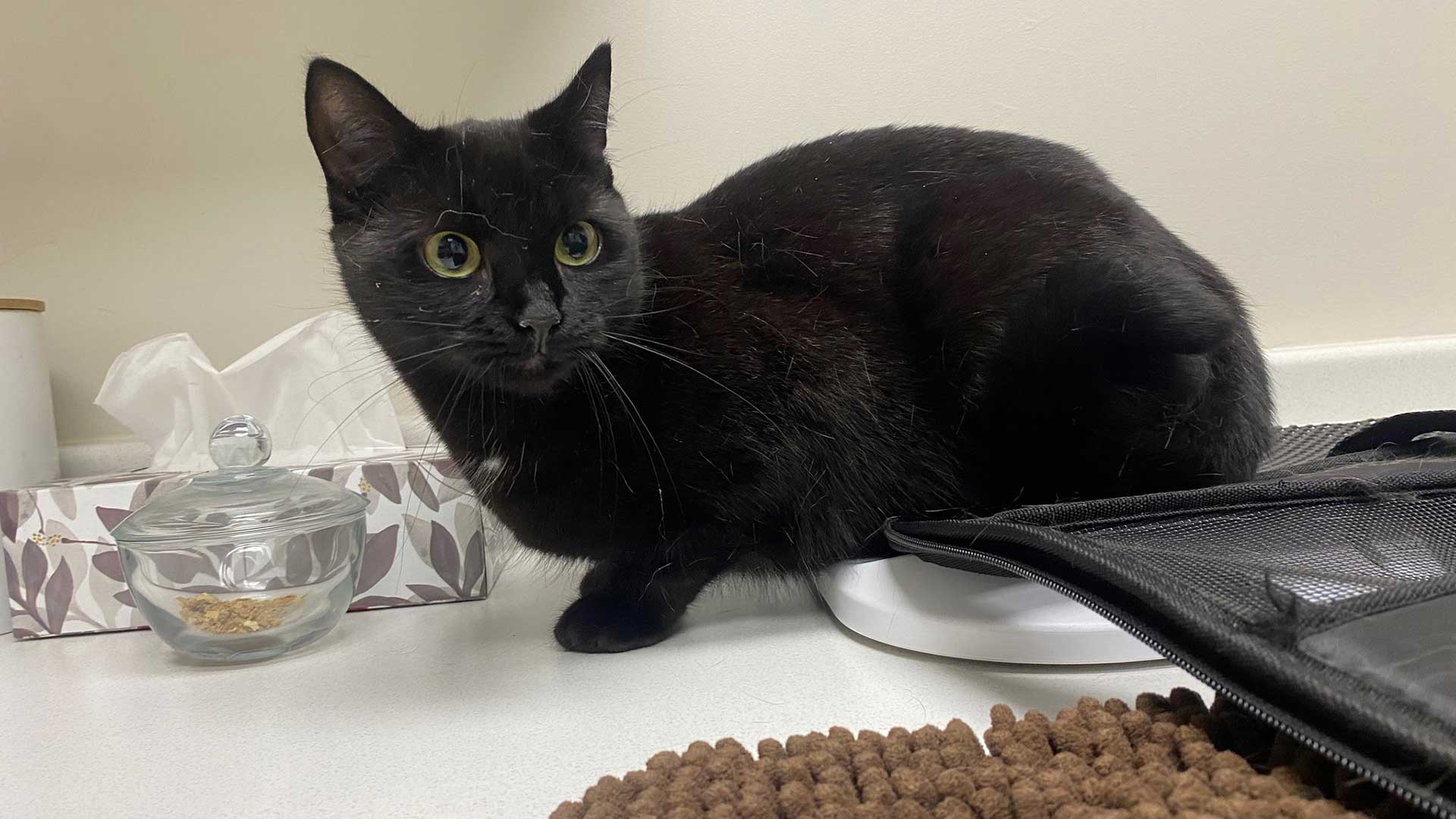
We are thrilled to announce that the sweet kitty found wandering in the Larry Utek area has been reunited with her family!

Vetcetera Animal Hospital will be closed on Monday, October 14th to celebrate Thanksgiving with family and friends. Happy Thanksgiving Holiday!
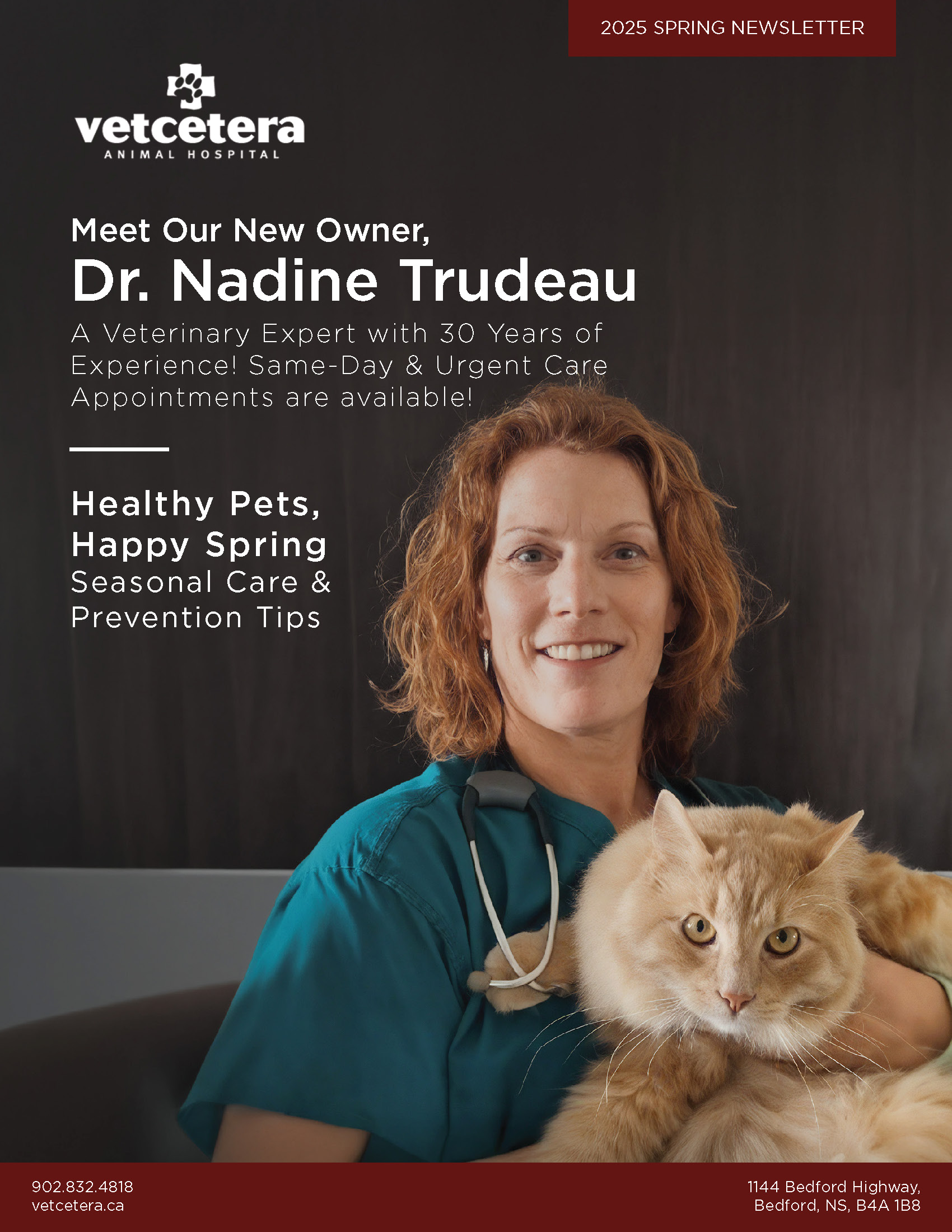
Healthy Pets, Happy Spring: Seasonal Care & Prevention Tips