


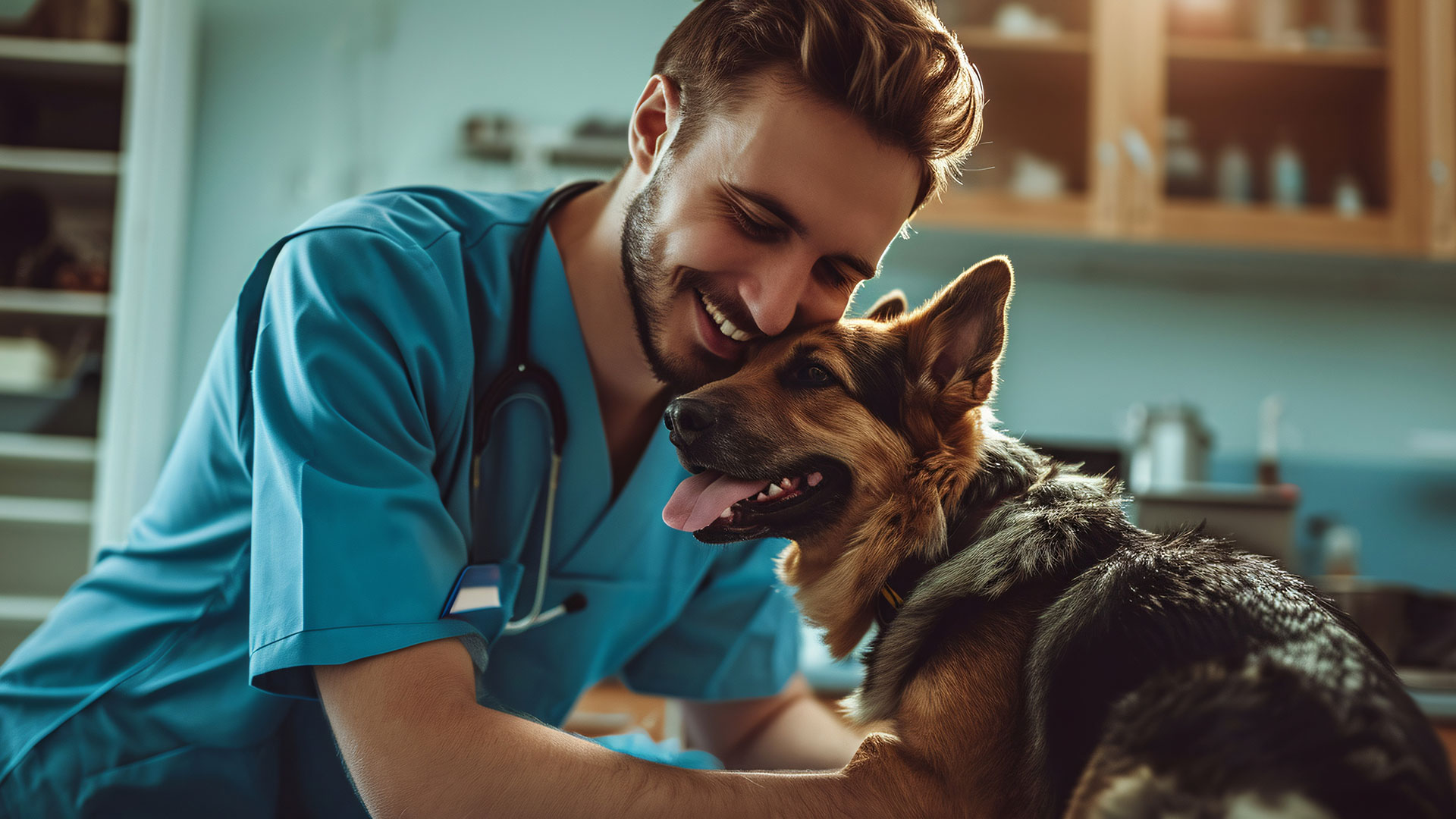
Is Your Dog or Cat Drinking or Peeing More Than Usual? How Urine Tests and Bloodwork Help


Maybe you are filling the water bowl more often than you used to. Maybe your house-trained dog has started having accidents, or the clumps in your cat's litter box are bigger than normal. Changes in drinking and peeing are easy to brush off, but they are often one of the first signs that something inside the body has changed.
This guide explains why these changes matter, when to call right away, and how we look for the cause at Vetcetera Animal Hospital in Bedford.
Why these changes are worth a visit
Drinking or peeing more than usual can be linked to a number of health problems, including urinary tract infections, kidney disease and diabetes. Some of these can be managed well when they are caught early, which is why it is better to check than to wait.
Watch for:
- Drinking more water than usual
- Peeing more often or in larger amounts
- Accidents in the house from a pet who is normally trained
- Bigger or more frequent clumps in the litter box
- Straining, discomfort or blood in the urine
When to call right away
If your pet is straining to pee and little or nothing is coming out, seems to be in pain or is suddenly very unwell, treat it as urgent. This is especially important for male cats. During our hours, call us or come straight in, as walk-ins are accepted for emergencies. After hours, contact one of the emergency hospitals listed in our pet emergency guide.
Step one: a thorough exam and history
Your pet is weighed at every visit, and our veterinarian will do a full physical exam. We will also ask about any changes you have noticed, what your pet eats, and any medications or supplements they take. Please bring those medications with you.
It helps to note roughly how much water your pet is drinking and when the changes started. Call ahead and ask whether you should bring a urine sample.
Step two: urine testing in our in-house lab
Our facility is equipped with laboratory equipment that allows for rapid evaluation of urine. We have a dedicated focus on microscopic evaluation of urine and blood cells, which gives us timely, accurate information to guide treatment decisions.
Step three: bloodwork
Bloodwork lets us evaluate organ health and blood cell counts. Paired with urine testing, it helps us understand how your pet's internal organs are working and uncover underlying health issues. For cases that need more advanced testing, we work with a leading diagnostic lab for expert insight.
When imaging can help
Sometimes we need to look inside. Our digital x-rays let us closely examine vital organs quickly and with minimal radiation, and our in-house ultrasound is a non-invasive way to visualize internal structures. Learn more in our guide to bloodwork, x-rays and ultrasound.
After the diagnosis
Once we know what is going on, we build a personalized treatment plan. That may include medication, a special prescription diet or regular rechecks. We provide ongoing monitoring and follow-up care and adjust the plan as needed. Our guide to pet nutrition and prescription diets explains how diet can be part of care.
Senior pets and baseline testing
Senior pets need more frequent checkups, and screening tests like bloodwork and urine analysis help establish baseline values for future reference. Having those baselines makes it easier to spot changes early. Read more about caring for a senior dog or cat.
Frequently asked questions
Is it normal for my pet to drink more in summer?
Pets may drink more when it is hot or after exercise. If the increase continues, or you notice other changes, book a visit.
Do you run urine tests at the hospital?
Yes. Our in-house lab allows rapid evaluation of urine, including microscopic evaluation.
How quickly will I get results?
Our in-house lab gives us timely results for many tests. If more advanced testing is sent to our partner lab, we will let you know what to expect.
Can I pay for testing over time?
We offer financing through Humm, including 6 and 12 month zero-interest payment plans on eligible purchases. Read about paying for vet care with Humm.
More from our team
You may also want to read about parasite prevention and what happens at a wellness exam.
Book a visit in Bedford
If your pet is drinking or peeing more than usual, we can help find out why. Request an appointment or call Vetcetera Animal Hospital at (902) 832-4818. We are at 1144 Bedford Highway, Bedford, Nova Scotia.


The Latest
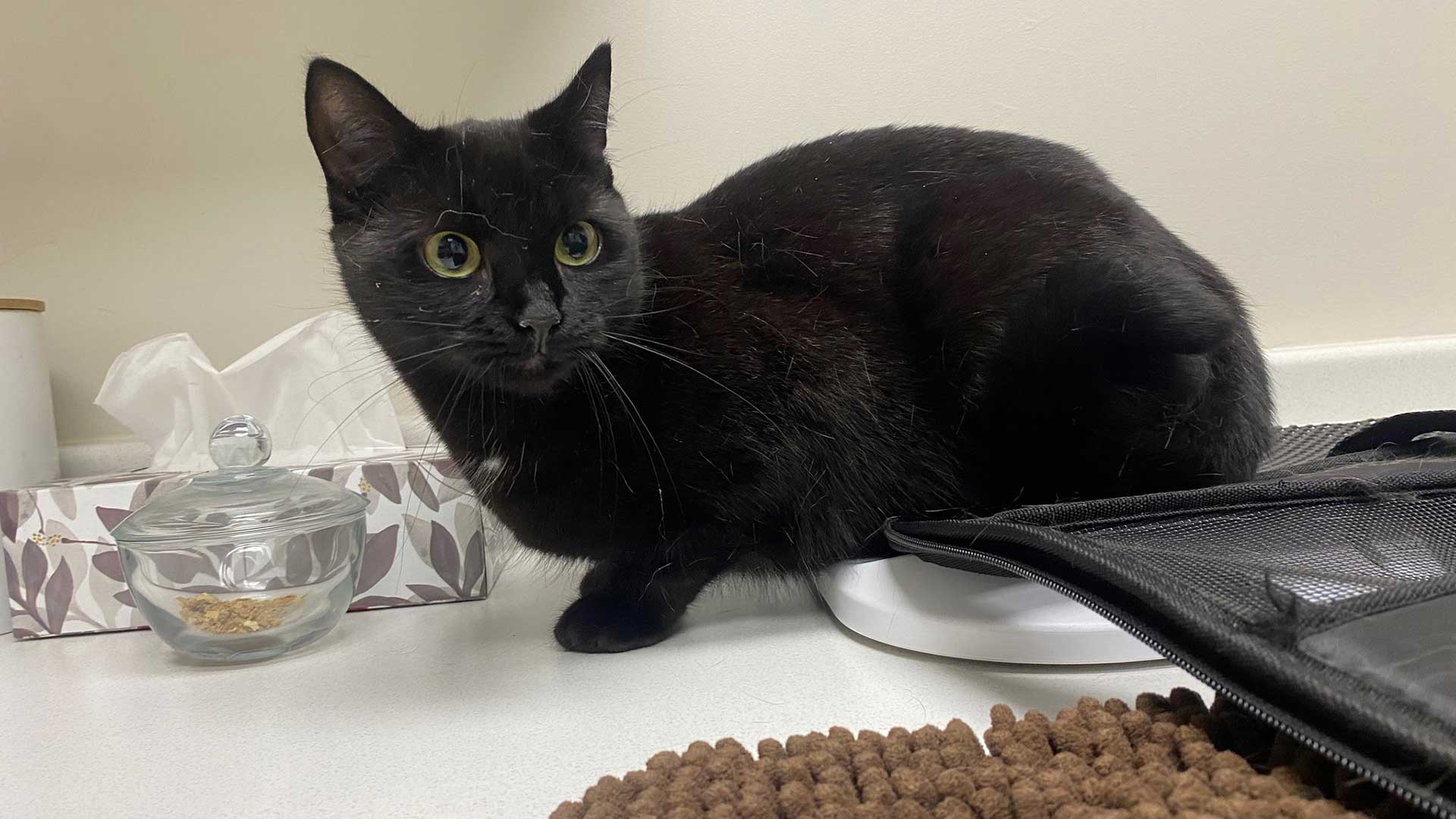
We are thrilled to announce that the sweet kitty found wandering in the Larry Utek area has been reunited with her family!
Vetcetera Animal Hospital will be closed on Monday, October 14th to celebrate Thanksgiving with family and friends. Happy Thanksgiving Holiday!
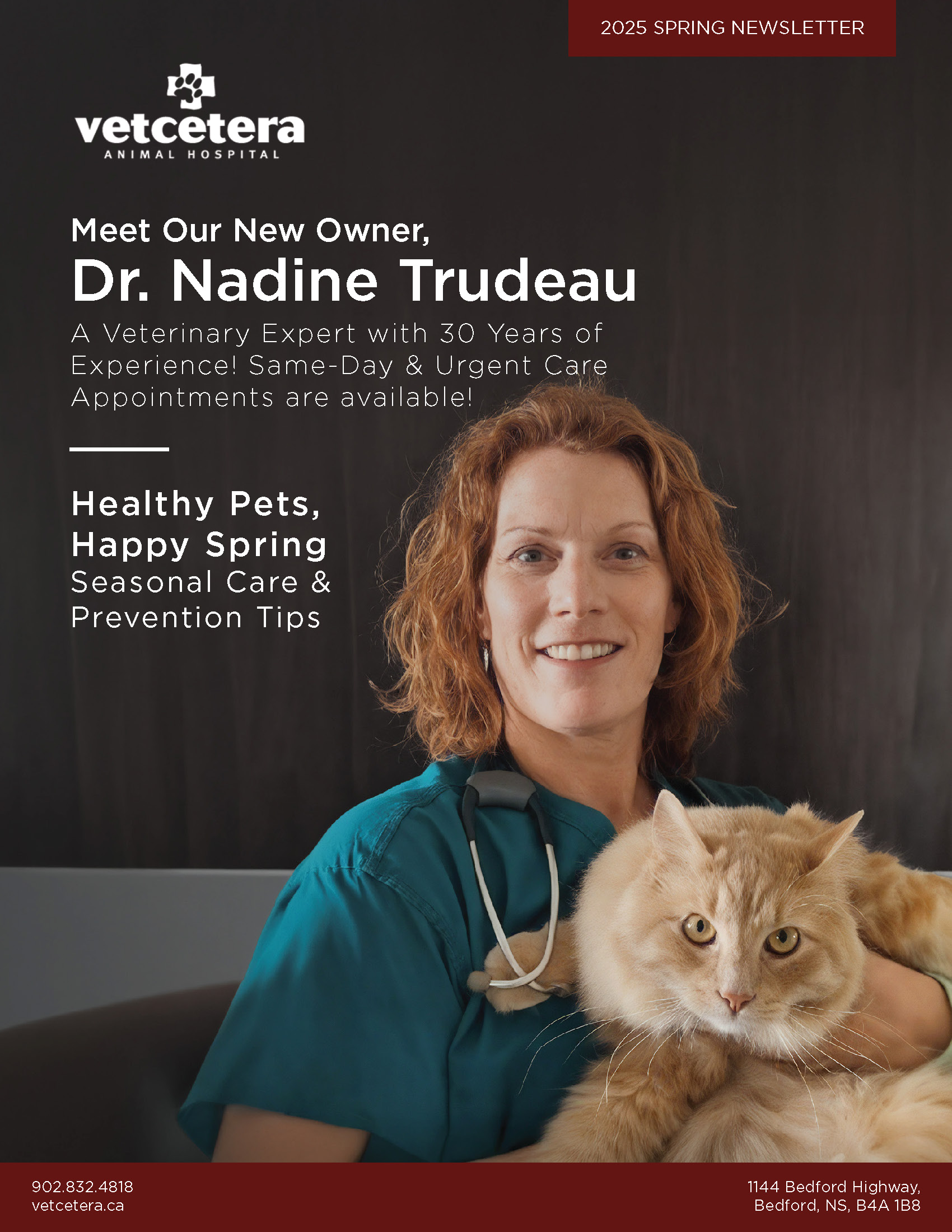
Healthy Pets, Happy Spring: Seasonal Care & Prevention Tips