


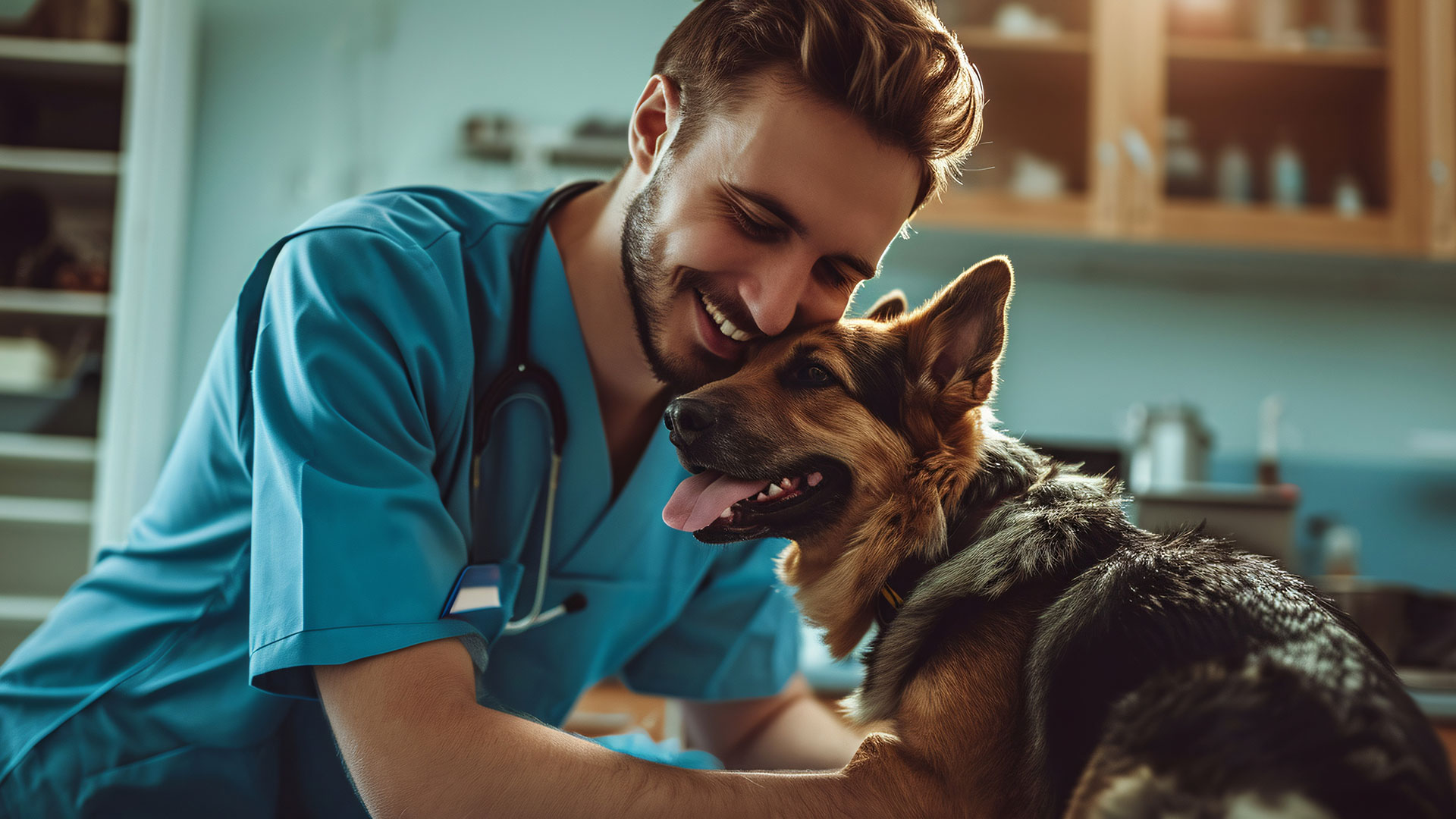
Dog or Cat Scratching Its Ears or Skin? How We Find the Cause in Bedford


If your dog keeps scratching at their ears, or your cat will not stop licking the same patch of fur, you are probably losing sleep right along with them. Itching is one of the most common reasons pets are uncomfortable, and it is also one of the easiest problems to guess wrong at home.
This guide explains what to watch for, why a proper look at the ears and skin matters, and how we find the cause at Vetcetera Animal Hospital in Bedford.
Signs your pet's ears or skin are bothering them
Pets cannot tell us they are itchy, but their behaviour usually does. Book a visit if you notice:
- Scratching at the ears or shaking the head often
- Licking, chewing or biting at the paws, legs or belly
- Redness, bumps, scabs or flaky skin
- Patches of thinning or missing hair
- A bad smell or discharge coming from the ears
- Rubbing the face or body along the floor or furniture
Constant licking or chewing can also look like a habit or a behaviour problem. Our veterinarians look at both the medical and behavioural side, because a pet who seems anxious or restless may simply be uncomfortable. You can read more in our guide to behaviour changes that can point to a health issue.
Why guessing at home often does not work
Itchy ears and skin can have several different causes, such as parasites, allergies or an infection. Each one is treated differently, and more than one can be going on at the same time. Treating the wrong cause can mean weeks of discomfort for your pet and money spent on products that do not help.
That is why we focus on finding out what is actually happening before we recommend a treatment.
Step one: a thorough exam
We schedule generous half-hour appointments, so there is time to look closely at your pet and talk with you. During the visit, our veterinarian will examine your pet's ears, skin and coat, and ask about:
- When the itching started and whether it comes and goes
- What your pet eats, including treats
- Which parasite prevention your pet is on, if any
- Any products, shampoos or medications you have already tried
Please bring any medications or supplements your pet is taking, including ear drops or creams. This helps us understand what has been tried so far.
Step two: a closer look under the microscope
Our hospital has a dedicated focus on microscopic evaluation of samples from ears and skin, as well as lumps and bumps. Looking at a small sample under the microscope in our in-house lab helps us see what is going on in a way that cannot be seen with the eye alone, and we can usually discuss the findings with you quickly.
When a case needs more advanced testing, we work with a leading diagnostic lab so we can access expert insight. Learn more about our in-house lab in our guide to pet diagnostics in Bedford.
Building a treatment plan
Once we know more about the cause, we build a plan around your pet. Depending on what we find, that plan may include:
- Parasite control. We offer comprehensive parasite control to protect pets from fleas, ticks, heartworms and intestinal parasites. See our parasite prevention guide.
- Nutrition. Our veterinarians offer tailored nutritional guidance and can recommend supplements or special prescription diets for specific health issues.
- Follow-up care. We provide ongoing monitoring and follow-up visits, and we adjust the plan if your pet is not improving as expected.
Frequently asked questions
Should I clean my pet's ears before the appointment?
It is best to leave the ears as they are. That way, our veterinarian can see exactly what is going on and take a sample if needed.
Can itchy skin be caused by food?
Diet is one of the things we discuss during every wellness exam. If we think food may be playing a role, our veterinarians can recommend a diet that suits your pet's health condition.
Do you treat cats with itchy skin too?
Yes. We see both dogs and cats for ear and skin problems. We also provide care for small mammals, birds and reptiles, so please contact us to ask about your pet.
My pet's ear problem keeps coming back. Can you help?
Yes. A problem that keeps returning is a good reason to look deeper, including a microscopic check and, when needed, more advanced lab testing.
More from our team
You may also want to read what happens at a pet wellness exam and how we help with nutrition and prescription diets.
Book an ear and skin check in Bedford
If your pet is scratching, licking or shaking their head, we can help find out why. Request an appointment or call Vetcetera Animal Hospital at (902) 832-4818. We are at 1144 Bedford Highway, Bedford, Nova Scotia.


The Latest
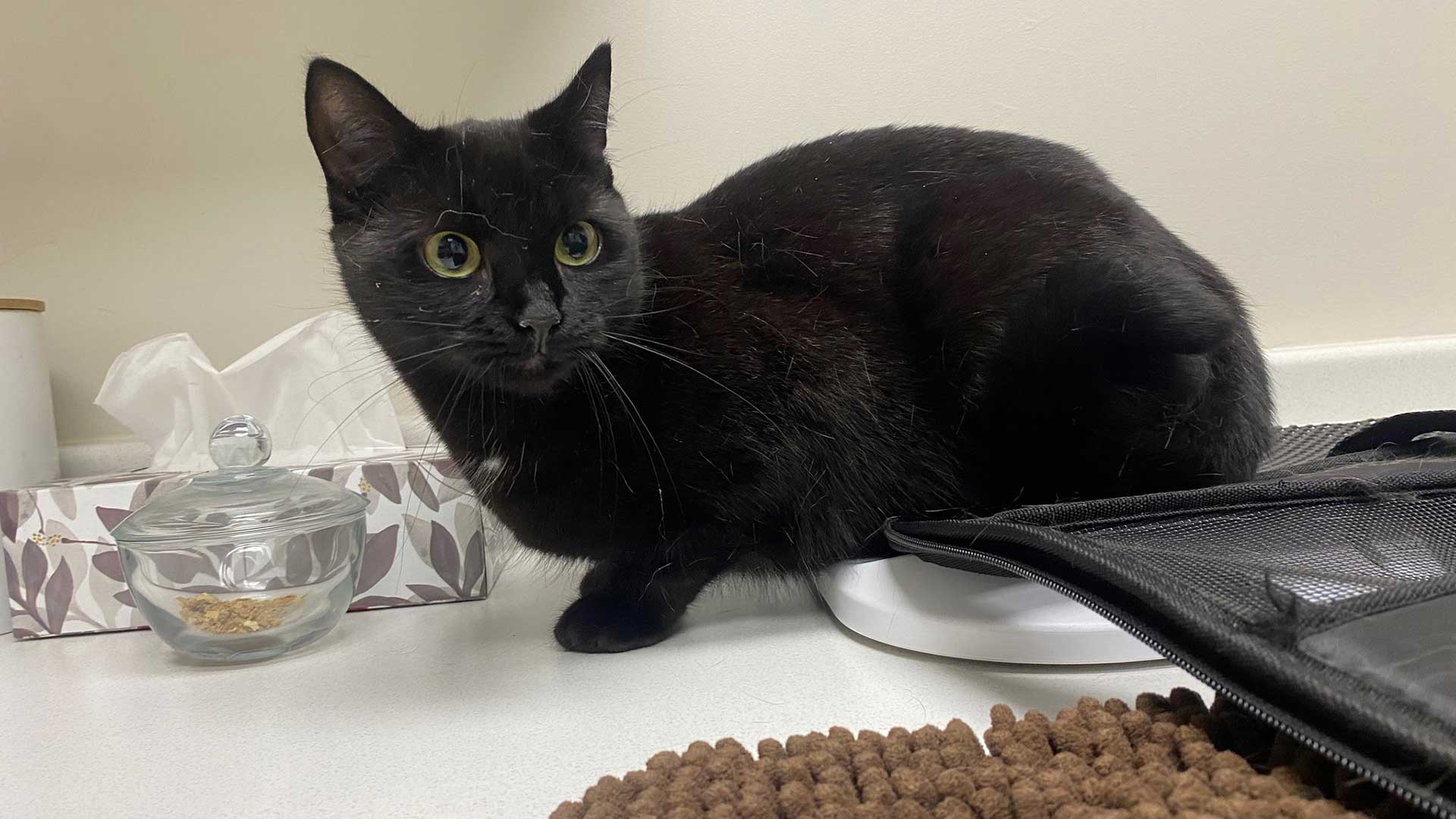
We are thrilled to announce that the sweet kitty found wandering in the Larry Utek area has been reunited with her family!
Vetcetera Animal Hospital will be closed on Monday, October 14th to celebrate Thanksgiving with family and friends. Happy Thanksgiving Holiday!
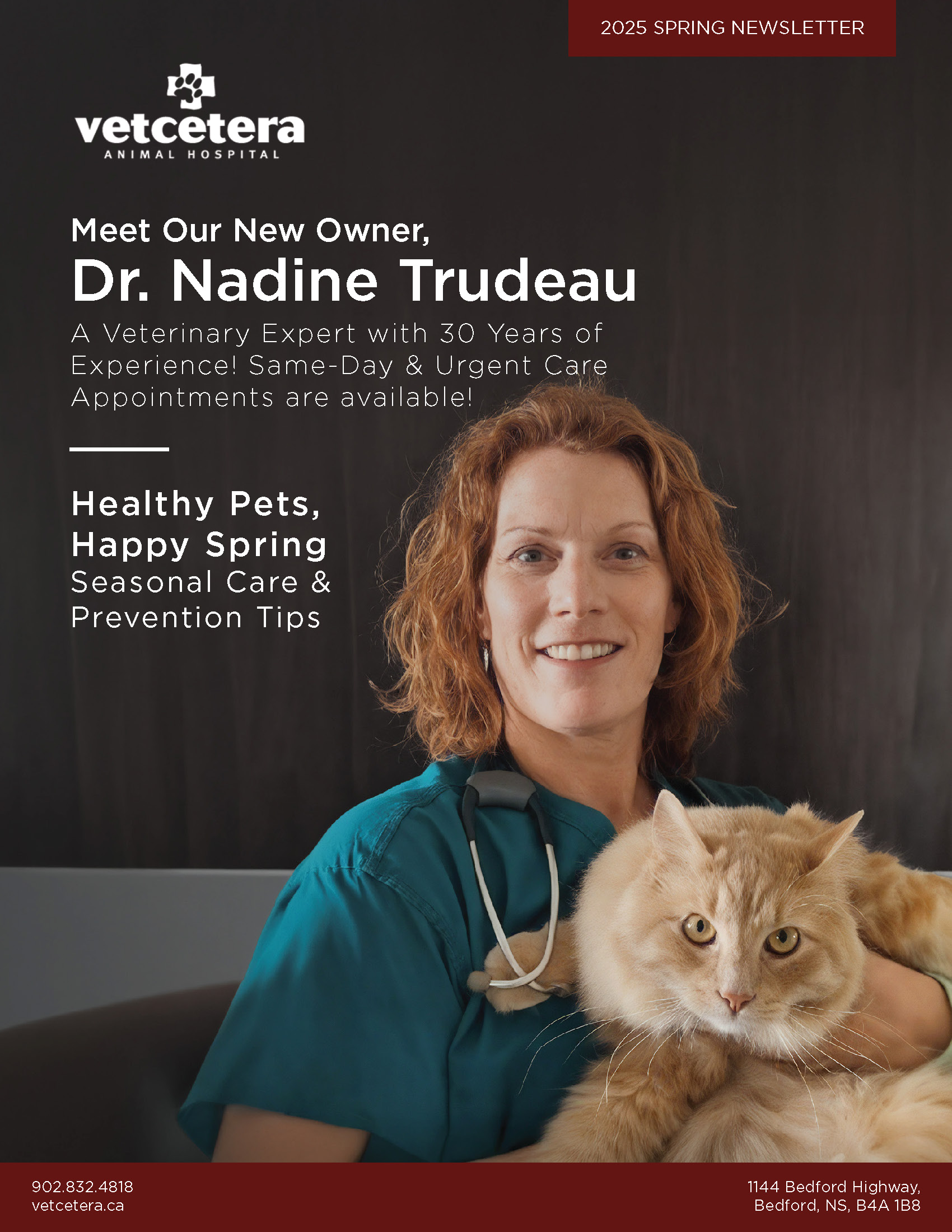
Healthy Pets, Happy Spring: Seasonal Care & Prevention Tips